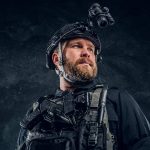
Professional security services don’t just show up when things go wrong—they make it less likely that things go wrong in the first place. From uniformed officers to smart monitoring and access control, modern protection is a steady mix of people, process, and technology. It supports safer homes, workplaces, schools, and places of worship without getting in the way of daily life.
- Consistent patrols reduce easy targets.
- Clear rules and signage prevent confusion.
- Fast reporting keeps leaders informed.
When you stitch these basics together, safety becomes a predictable outcome rather than a lucky break.
Visible deterrence that works
Criminals look for the easiest opportunity. A site with alert officers, good lighting, and controlled entry sends a strong “don’t risk it” signal. That visible presence, paired with routine checks, turns uncertainty into a plan.
- Marked vehicles and uniforms raise perceived risk.
- Patrol patterns vary, making schedules hard to exploit.
- Signage and cameras show active oversight.
These elements discourage trespassing, loitering, and property damage, helping staff and visitors feel at ease while business continues as normal.
Faster response, fewer losses
When an incident starts, seconds matter. Professional teams follow a clear incident flow: detect, verify, respond, and document. This structure reduces panic and keeps small problems from becoming big ones.
- Mean time to respond (MTR) is tracked and improved.
- Tiered call trees push alerts to the right person fast.
- Site maps and post orders guide decisive action.
With the right playbook, on-site officers and remote monitoring work in sync so alarms get attention, not guesswork.
Access control without friction
Good access control makes it simple for the right people to move and hard for the wrong ones. Today’s systems pair badges, PINs, or mobile credentials with visitor logs and time-limited passes.
- Two-step checks for sensitive rooms cut misuse.
- Visitor badges and sign-ins support clear records.
- Temporary codes expire to limit backdoor entry.
When doors, data, and delivery routes are planned together, you reduce “propped door” risks and keep operations running smoothly.
Smarter eyes on every shift
Cameras are most useful when someone (or something) is paying attention. Video platforms now detect motion types, watch key zones, and send clip-based alerts to officers in seconds.
- AI flags people and vehicles, not just movement.
- Cloud archives support 30–90 days of retrieval.
- AES-256 encryption protects stored footage.
With verified alerts, teams focus on what matters—like a car circling after hours—rather than scrolling through hours of uneventful video.
Training that changes outcomes
Equipment helps, but skill decides results. Well-trained officers use de-escalation to calm tense moments, understand use-of-force laws, and apply first aid until EMS arrives. Regular drills and refreshers keep those skills sharp.
- De-escalation tactics reduce confrontations.
- “See-something, say-something” habits catch early signs.
- CPR/AED knowledge buys time in medical emergencies.
Teams that practice scenarios—from suspicious persons to severe weather—perform better when the real thing happens.
Fire watch and hazard control
Construction zones, system outages, and hot work require focused watch. A formal fire watch isn’t a casual stroll—it’s a documented routine that checks hazards on a set schedule and triggers immediate action if conditions change.
- Rounds log time, location, and status clearly.
- Hot work permits outline controls and PPE.
- Egress routes stay clear and lit during work.
These steps lower risk, satisfy insurers, and protect people and property while maintenance or renovation continues.
Safer spaces by design
Security improves when the environment supports it. Crime Prevention Through Environmental Design (CPTED) uses four practical ideas—natural surveillance, access control, territorial reinforcement, and maintenance—to shape safer places.
- Trimmed landscaping increases sight lines.
- Defined walkways guide visitors to monitored areas.
- Clean, well-kept spaces signal active ownership.
When sites feel watched, cared for, and orderly, opportunistic behavior drops and the community’s sense of safety rises.
Support for busy public places
Schools, houses of worship, and retail centers have unique daily rhythms. Professional security adapts to those patterns with a calm presence that welcomes guests and discourages disruption.
- Access point monitoring at peak hours reduces bottlenecks.
- Escorts support event staff, cash drops, and processions.
- Parking patrols cut petty theft and unsafe driving.
The goal is steady, respectful support: friendly greetings, watchful patrols, and quick help when someone needs directions—or a firm reminder of the rules.
Clear metrics, real accountability
You can’t improve what you don’t measure. Security programs should report the numbers that matter so leaders can make smart decisions and budgets stay focused.
- Incidents per 1,000 guard hours show trend lines.
- False alarm rate highlights verification quality.
- MTR and closure rate prove response strength.
With monthly dashboards, post-order audits, and site reviews, everyone sees where risks are shrinking, where training is helping, and where to adjust next.
Incident reporting that sticks
Clear records turn guesswork into facts. Professional teams document what they see and do using time-stamped apps, body-worn camera tags, and simple templates. Every entry notes who, what, where, and action taken. Photos are attached when allowed, and sensitive details are redacted to protect privacy.
- Unique report IDs link photos, clips, and officer notes.
- Time stamps and GPS show sequence and location.
- Chain-of-custody fields track evidence handoffs.
After the entry is filed, supervisors review for accuracy and trends. Weekly summaries surface repeat issues—like propped doors or lighting failures—so fixes are assigned, not forgotten. Good reports also support insurance claims and help law enforcement pick up a case without delay.
Event and crowd safety
Busy days—games, services, sales events—need a plan. Security starts with a site walk: entrances, exits, seating, and vehicle flow. Teams create simple maps, set radio call signs, and agree on plain-language commands so anyone can step in.
- Capacity limits are set by room size and exit count.
- Choke points marked for extra staff and stanchions.
- Weather and medical plans with shelter spots labeled.
During the event, officers focus on greeting, guiding, and spotting early signs of distress or conflict. Afterward, a short “hot wash” captures what worked and what to change, so the next event is smoother, lines move faster, and emergency routes stay open.
Cyber-physical basics
Today’s cameras, card readers, and alarm panels ride on your network, so digital hygiene supports physical safety. Systems should live on a separate VLAN, use strong passwords, and require multifactor logins for admin accounts. Firmware updates close known gaps, while role-based access keeps logs honest.
- Password policy: length ≥ 12, rotation on role change.
- Encryption: TLS for devices; AES-256 for stored video.
- Backups: config exports and 30–90-day log retention.
With these basics, a stolen badge or leaked password is less likely to open doors. Regular audits—user lists, patch status, and failed-login alerts—keep small issues from snowballing into outages or lost evidence.
Bringing it all together
Daily safety is built on many small, deliberate choices: trained people, clear procedures, and technology that supports both. When these pieces align, the result is a safer workday, fewer disruptions, and better experiences for staff, customers, and visitors.
- Deterrence lowers attempts before they start.
- Fast, documented response limits damage and downtime.
- Continuous improvement keeps protection current.
If you’re ready to put a steady, proven approach to work for your facility, reach out to a trusted local partner like NPS Protective Service.