Picking between armed and unarmed officers starts with understanding your true risk. Both options deter crime, support safety, and reassure people on site. The better fit depends on threat level, environment, and the rules you must follow.
- Think about whom you protect: people, property, or both
- Consider hours, crowd size, and cash or valuables on site
- Review past incidents, even “near misses.”
Armed officers carry firearms and advanced tools for high-risk settings. Unarmed officers focus on prevention through presence, access control, and quick reporting. This guide breaks down training, costs, laws, and daily tasks so you can choose confidently and avoid over- or under-securing your site.
What armed officers actually do
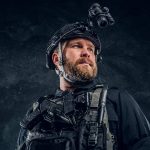
Armed officers are licensed to carry firearms while on duty. Their role pairs high deterrence with the ability to respond to severe threats. They often manage entry points, patrol sensitive zones, and support emergency plans.
- Typical tools: sidearm, body armor, radio, flashlight, tourniquet
- Typical posts: cash handling, critical infrastructure, late-night operations
They coordinate with law enforcement, secure crime scenes, and document use-of-force decisions. In many states, armed guards must pass background checks, firearm qualification, and ongoing requalification. The presence of a firearm changes policies around storage, handoff, and incident review. That structure adds accountability—and requires clear post orders so responses remain consistent and defensible.
What unarmed officers actually do
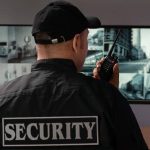
Unarmed officers prevent incidents through visibility, access control, and early intervention. They monitor cameras, verify badges, and perform patrols that spot hazards before they turn into emergencies.
- Typical tools: radio, body-worn camera, incident app, flashlight
- Typical posts: offices, schools, houses of worship, retail floors
They specialize in customer-facing de-escalation, writing clear incident reports, and guiding evacuations or shelter-in-place steps. Many unarmed teams conduct fire watch, parking control, and contractor escort tasks. Well-run programs tie these duties to a “force continuum” that emphasizes presence, verbal direction, and hands-on skills like guiding someone away from a restricted zone—without introducing a firearm into the environment.
Threat level assessment basics
A simple way to scope needs is to score your risk by time, place, and target. Rate each on a 1–3 scale: low, medium, high.
- Time: overnight or cash-move windows raise the score
- Place: high-crime corridors or isolated sites increase exposure
- Target: cash, pharmaceuticals, weapons, or data centers, add risk
A 7–9 score suggests armed coverage or a hybrid model. A 3–6 score often fits unarmed officers with solid protocols and tech (badges, cameras, alarms). Use recent incident logs, police calls for service, and insurance requirements to validate the score. This method keeps decisions practical and helps defend budgets in front of leadership.
Legal, policy, and insurance factors
Laws shape who can carry firearms, how they qualify, and when force is justified. Your business policies must align with state rules and your insurer’s requirements.
- Verify licensing: guard cards, firearms permits, and annual refreshers
- Confirm insurance: general liability and specific armed guard coverage
Make sure post orders mirror your use-of-force policy, including reporting timelines and supervisor notifications. Armored sites may require higher limits or special endorsements. Unarmed programs still need clear detention limits, citizens’ arrest procedures (if allowed), and strict evidence handling rules. Tight alignment between policy, training, and documentation reduces exposure after a tough incident.
Cost and staffing considerations
Armed staffing usually costs more due to licensing, higher insurance, and specialized training. Unarmed staffing lowers hourly rates and may let you deploy more coverage for broad visibility.
- Balance depth (more posts) versus intensity (armed capability)
- Consider hybrid shifts: unarmed by day, armed at close or cash-outs
A quick budgeting frame: Coverage Hours × Rate × (1.15–1.25) for supervision, uniforms, and admin. For example, 168 weekly hours at $30/hour becomes ~$5,800–$6,300/week after overhead. Armed rates often run 15–30% higher than unarmed. Ask providers to model scenarios so you can see deterrence gains per dollar—more posts can reduce blind spots as effectively as adding weapons.
Response and use-of-force realities
Response isn’t just speed; it’s the right action. Strong programs teach a clear force continuum, emphasizing early cues and de-escalation.
- Core steps: presence → verbal direction → control techniques → defensive tools → lethal force (as last resort)
- Documentation: body-worn video, witness names, photographs, and timelines
Unarmed officers often resolve most day-to-day issues—trespass, disorderly conduct, minor theft—through early contact and observation. Armed officers are valuable where credible lethal threats exist or where response time from police is slow. Either way, tight reporting and supervisor review protect your organization and guide improvements after events.
Environments that justify armed posts
Certain settings carry elevated, credible threats. These include high-cash businesses, critical infrastructure, and operations with known risk patterns.
- Examples: jewelry retail, dispensaries (where legal), data centers, high-profile events
- Triggers: specific threats, recent armed robberies, or high-value transports
Where police response can be delayed, armed posts help bridge the gap. If a site has controlled public access and trained staff, introducing an armed officer can add deterrence without overwhelming daily operations. Pair the post with camera coverage, clear signage, and locked weapon retention policies. Always include scenario drills so officers and managers understand when to escalate and when to call for backup.
Places well-suited for unarmed posts.
Many locations benefit most from a skilled, unarmed presence that emphasizes service and safety.
- Examples: office parks, schools, houses of worship, clinics, community centers
- Primary tasks: wayfinding, access control, visitor screening, patrols, and incident logs
Here, communication skills, radios, CCTV, and incident apps do the heavy lifting. Unarmed teams can guide evacuations, support fire watch, and spot maintenance issues that reduce risk (lighting, doors, cameras). Pair unarmed coverage with crime prevention through environmental design (sightlines, locks, lighting), and you often achieve excellent results without introducing firearms to family-facing or patient-facing spaces.
Training and vetting standards
Quality starts with screening, then training that matches the post. Armed officers need firearm qualification, judgment training, and medical skills such as tourniquet use. Unarmed officers need conflict management, report writing, and emergency procedures.
- Useful modules: de-escalation, “Dallas Law,” active shooter survival, CPR/AED
- Vetting: background checks, reference checks, scenario interviews
Based in Millington, TN, NPS Protective Service provides armed and unarmed officers, school and faith-based security, and certified training that supports real-world readiness. Clear post orders, refreshers, and field supervision keep performance consistent. Ask providers to share curriculum outlines and requalification schedules, so you know skills stay current.
Technology that multiplies impact
The right tech stack boosts either model. Radios coordinate teams; CCTV and access control reduce blind spots; incident apps standardize reporting.
- Useful metrics: response time, patrol frequency, incident closure rate
- Useful tools: body-worn cameras, panic buttons, license plate readers (where lawful)
Map technology to risk. For example, pairing unarmed officers with panic buttons and camera analytics can deter theft without firearms. In higher-risk sites, armed officers plus access control and two-person cash escorts close exposure gaps. Always test your alert tree: who gets notified, how fast, and with what details. Good data turns post orders into measurable results.
A simple decision checklist
Turn needs into a clear yes/no path so stakeholders can decide fast.
- Is there a credible lethal threat or recent armed incidents?
- Do insurance or contracts require armed coverage at certain hours?
If yes, model armed or hybrid coverage. If no, price unarmed with tech upgrades and strong post orders. Next, review incident logs after 90 days to validate the choice. Track calls for service, trespass trends, alarm times, and closing routines. If patterns shift—new graffiti, break-ins, or threats—adjust posts, schedules, or training before costs climb. The best program is the one you can measure, explain, and improve.
Conclusion: choose with clarity
Both armed and unarmed officers can protect people and property when matched to the right risk profile. Start with a simple assessment, align with laws and insurance, and budget for supervision and training—not only hours.
- If threats are credible and time-sensitive, consider armed or hybrid
- If risks are routine and customer-facing, unarmed often excels
Ask for scenario drills, reporting samples, and 90-day reviews to keep decisions grounded. When you’re ready to discuss the right mix for your buildings, events, or community sites, talk with a provider that offers both models and certified training support like NPS Protective Service.